DOWNLOAD TRAINING BROCHURE


The primary objective of the industrial training organized by allele lifesciences is to make you proficient in various latest and conventional technologies. These skills are essential for those looking to advance their careers in the biomedical and pharmaceutical fields.
Module I: Molecular Genetics Techniques:
Gain vital industry skills with hands-on training in nucleic
acid extraction, quantification, PCR and Real-Time PCR
analysis—designed to fast-track your career in life
sciences, healthcare, and food research
Module II: Cell Biology & Drug
Discovery: Bridge the gap between cell biology and
therapeutics by mastering the critical hands-on skills
needed for cell-based drug screening, cell proliferation
tracking by microscopy, and flow cytometry analysis.
Module
III: Vaccine Research & Protein Biology: Accelerate
your career in biotherapeutics by mastering essential
downstream processing techniques, including protein
extraction, quantification, sds-page, western blot and
low-pressure liquid chromatography (FPLC) .
Module IV: Immunology &
Immuno-techniques: Bridge theory and laboratory
practice with immersive, hands-on training in immunology,
chemiluminescence assay Learn antibody purification, ELISA,
and advanced diagnostic immuno-techniques .
Module V: Analytical
Techniques & Chromatography: Elevate your
laboratory expertise: Gain intensive, hands-on experience in
quantitative spectrophotometry, advanced HPLC, and gas
chromatography (GC) techniques.
Candidates are directly
prepared for in-demand technical positions in the biopharmaceutical,
clinical diagnostics, contract research organisations,
food safety, and forensic industries by completing extensive, practical
laboratory training in molecular genetics, cell biology, downstream
protein purification, immunoassays, and instrumental chromatography.
The gap between academic theory and industry compliance is bridged by
practical mastery of high-value techniques, such as Real-Time PCR,
multi-color flow cytometry, FPLC protein isolation, ELISA/CLIA diagnostic
platforms, and quantitative HPLC/GC operations. High-growth career paths
such as Quality Control (QC) Analytical Chemist, Molecular Diagnostics
Executive, Bioprocess/Downstream Associate, In-Vitro Screening Scientist,
and Analytical Toxicologist are easily accessible to graduates.
Real-Time PCR System
(qPCR),Gradient Thermal Cycler (Conventional PCR),Micro-Volume UV-Vis
Spectrophotometer / Fluorometer,Gel Documentation System with
High-resolution CCD camera and Gel Analysis Software, Horizontal Agarose
Gel Electrophoresis,Programmable DC Power Supplies,Refrigerated
Microcentrifuge,Benchtop Equipment's
Biosafety Cabinet,CO_2
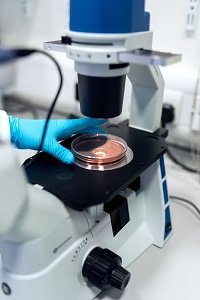
Incubator,Automated Cell Counter, Inverted Phase-Contrast Microscope,
Fluorescence Microscope, Flow Cytometer, Liquid Nitrogen Cryocan,
Controlled-Rate Freezing Containers
Fast Protein Liquid
Chromatography (FPLC) / Low-Pressure Chromatography, Chromatography
Columns: Prepacked affinity (Ni-NTA/Protein A/G), ion-exchange (IEX), and
size-exclusion chromatography (SEC) columns, Ultrasonic Cell Disruptor,
Vertical Gel Electrophoresis Units, Western Blot Transfer System,
Chemiluminescence Gel Doc System, High-Speed Refrigerated Centrifuge.
Microplate Multi-Mode Reader, Microplate Luminometer, Peristaltic Pump
& Gravity Column Racks, Microplate Shaker & Incubator
High-Performance Liquid Chromatography (HPLC) System, Detectors:
Photodiode Array (PDA/DAD) and Fluorescence detector.
Gas
Chromatography (GC) System
Duration: 300 Hrs or Upto 90 Days
Service Charges: We charge fee to cover the expenses of chemical and reagents that is INR 50,000 /- (Indian Nationals) & $1000 (Foreign Nationals)
Note: The program utilizes advanced instrumentation, specialized chromatographic resins, and high-grade analytical reagents. Because the fee directly covers these extensive consumable costs and dedicated instrument, the fee structure is fixed and non-negotiable.
Download Training Brochure: