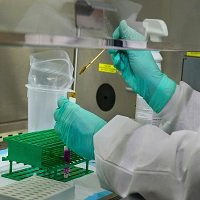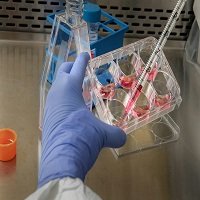
Genotoxicity Testing Services.
- Read More
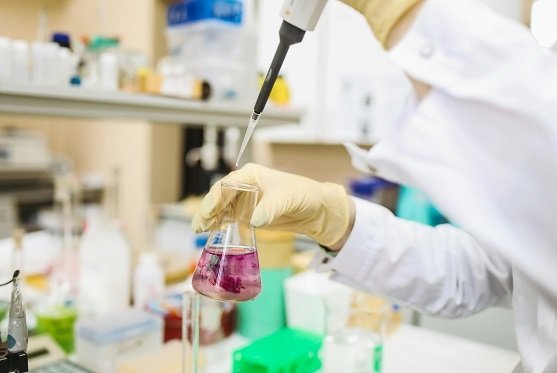
The term "toxicity testing" describes a set of tests and methods used to evaluate the possible negative effects on living things of substances such as medications, chemicals, and environmental contaminants. Finding out if a drug is poisonous, what dosage levels could be harmful, and which organs or systems could be impacted are the objectives.
- In Vitro
Toxicity Analysis
- Immuno Toxicity
Analysis
- Genetic Toxicity Analysis
- Chemical Toxicity Analysis

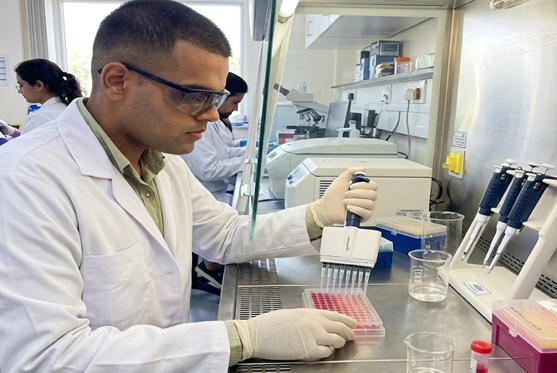
Assays for in vitro toxicity are laboratory procedures used to evaluate a substance's possible harmful effects on living cells or tissues that are not part of a living organism. Early phases of drug research, environmental testing, and chemical safety evaluations all depend on these assays.
MTT Assay
Resazurin Reduction Assay
LDH Release Assay
Trypan Blue Exclusion Assay
Assays by Flowcytometry
Immunotoxicity analysis refers to the study of the potential toxic effects of substances—such as pharmaceuticals, chemicals, and environmental pollutants—on the immune system.
- Cytokine
Production Assays
- Lymphocyte Proliferation Assay
- Antibody
Production Assays
- Flow Cytometry Analysis
- Immuno
Fluorescence Assays .
Trace analysis refers to the
detection and quantification of very
small amounts of a substance in a
sample. This type of analysis is crucial
in a wide variety of scientific and
industrial fields, including
environmental monitoring,
pharmaceuticals, food safety, forensic
science, and materials science.
- Analysis by
HPLC
-
Analysis by Gas Chromatography
- Analysis by
Mass Spectrometry
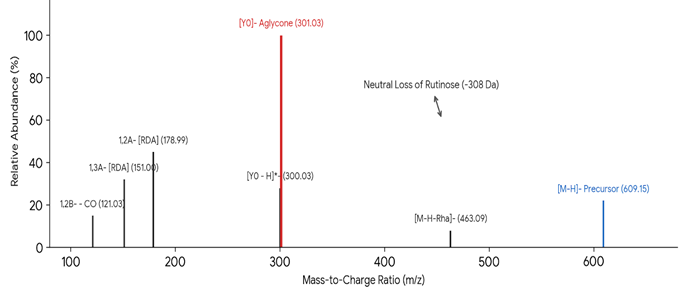
Note: LC-MS data Your report includes your test article's actual dose-response data and calculated endpoints.
The term "toxicity testing" describes a set of tests and methods used to evaluate the possible negative effects on living things of substances such as medications, chemicals, and environmental contaminants. Finding out if a drug is poisonous, what dosage levels could be harmful, and which organs or systems could be impacted are the.
Share the technical details of your sample or project and we will provide a quotation and expected turnaround time. You can reach us on WhatsApp/call at +91 9891 179928 or email mail@allelelifesciences.com.